
One of the most significant moments in history that occurred on November 20th was the adoption of the Declaration of the Rights of the Child by the United Nations in 1959. This landmark declaration set forth the fundamental rights and protections owed to children worldwide, emphasizing their right to education, health care, and protection from exploitation. It was a major step forward in international human rights law and laid the groundwork for the later adoption of the Convention on the Rights of the Child in 1989, which remains the most widely ratified human rights treaty in history.
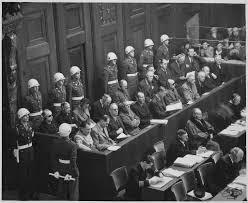
Going further back, November 20th, 1945, marked the beginning of the Nuremberg Trials, a series of military tribunals held after World War II to bring Nazi war criminals to justice. These trials were groundbreaking in establishing legal precedents for prosecuting crimes against humanity and war crimes. They underscored the principle that individuals, including state leaders and military officials, could be held accountable under international law. The Nuremberg Trials have since influenced the development of international criminal law and institutions such as the International Criminal Court.
November 20th has also been notable for key political events. For instance, in 1975, Spain officially ended Francisco Franco’s dictatorship following his death by transitioning toward democracy. This marked a turning point in Spanish history, as the country embarked on a path of political reform, modernization, and integration into the broader European community. The peaceful transition helped stabilize Spain and set an example for other nations experiencing political upheaval.
Shifting to cultural history, November 20th, 1947, saw the first telecast of the musical “Oklahoma!” on television, introducing millions of viewers to the popular Rodgers and Hammerstein production. This event represented a milestone in bringing Broadway theater into American living rooms, expanding the reach of performing arts through the emerging medium of television. It helped popularize musical theater and paved the way for televised performances of other classic works.
In sports history, November 20th, 1990, witnessed the launch of the first Rugby World Cup Sevens tournament, a faster-paced and shorter version of traditional rugby union. Held in Scotland, this event helped popularize rugby sevens internationally, which later became an Olympic sport in 2016. The tournament has since grown into a major global sporting event, celebrated for its exciting gameplay and inclusivity.
As we reflect on these varied historical moments, November 20th emerges as a day rich with transformative achievements and cultural milestones.